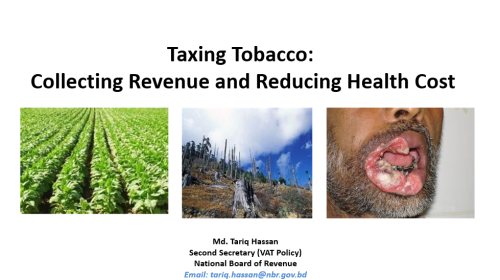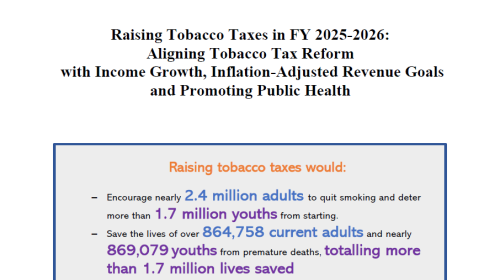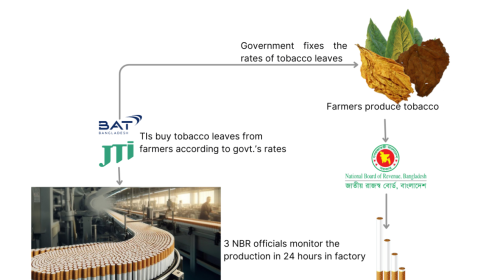

This presentation examines the economic and environmental consequences of tobacco cultivation and consumption, focusing specifically on the growing crisis in Bangladesh. The text highlights how tobacco farming causes massive deforestation, soil degradation, and significant health risks for laborers, while noting that alternative crops like grapes and mushrooms offer higher profit margins.
Despite rising prices, cigarette sales continue to grow due to increased population and the availability of cheap, low-tier brands that remain affordable as incomes rise. To combat this, the author proposes a drastic price shock and a shift toward a uniform specific tax system to reduce consumption and bridge the gap between different cigarette tiers.
Ultimately, the source advocates for aggressive taxation policy reforms as the most effective tool to improve public health and break the cycle of poverty and disease associated with tobacco use.
To read the full document, please click here.