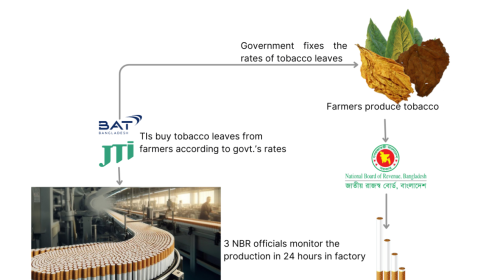
This research presentation examines the economic landscape of tobacco taxation in Bangladesh, highlighting the urgent need for policy reform to protect public health. By analyzing market supply chains and the business influence of major industry players, the study identifies how current ad valorem tax structures make tobacco products increasingly affordable.
The data demonstrates that price elasticity is highest among poor households, suggesting that significant price hikes would effectively lower consumption while boosting government revenue. Key recommendations include transitioning to a specific tax system, reducing price tiers to prevent brand switching, and addressing conflicts of interest between policymakers and the tobacco industry.
Ultimately, the source advocates for harmonized tax rates across cigarettes, biris, and smokeless tobacco to reduce the massive economic and health burdens facing the nation.
To read the full documents, please click here.