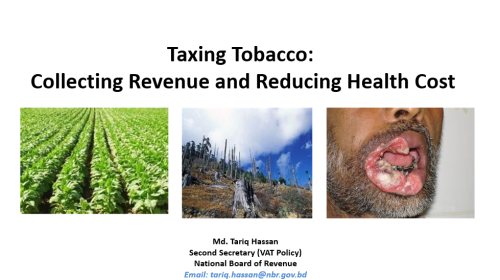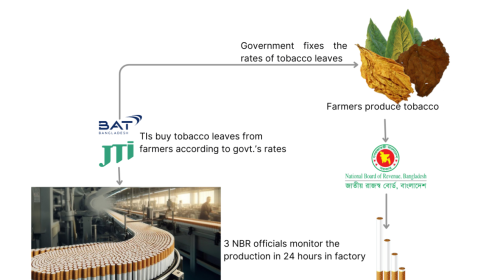

This presentation examines the economic and environmental consequences of tobacco cultivation and consumption, with a specific focus on Bangladesh. The research highlights that while the industry generates revenue, it causes significant ecological damage through deforestation and soil exhaustion, while exposing millions of workers to hazardous pesticides and severe health risks.
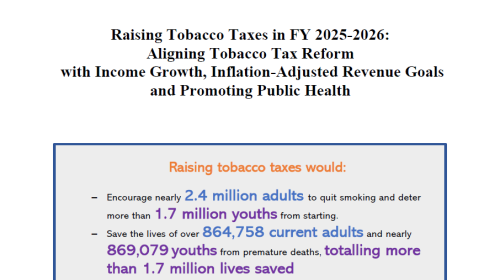
Data suggests that tobacco use remains high because rising incomes and brand switching allow smokers to maintain their habits despite current tax structures. To combat this, the authors propose a drastic price increase at the lowest tier and a shift toward a simplified, specific tax system to reduce affordability.
Ultimately, the sources argue that the long-term medical and productivity costs far outweigh the short-term economic benefits provided by the tobacco industry.
To read the full document, please click here.