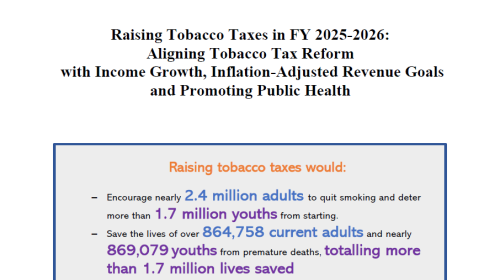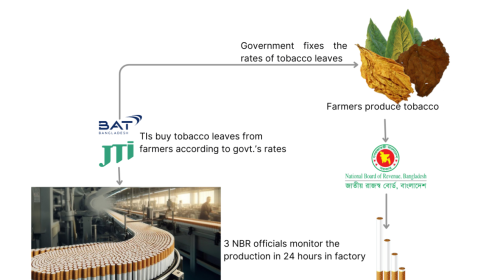
This presentation by the National Board of Revenue examines the complex landscape of tobacco taxation in Bangladesh, highlighting significant public health and economic challenges. The data reveals high tobacco prevalence among adults, particularly through the use of bidis and smokeless products. Despite efforts to regulate the industry, the government faces major administrative hurdles, including manual processes and a shortage of trained personnel.
Political pressure from the tobacco industry and concerns over the livelihoods of bidi workers have historically hindered effective tax increases. To combat these issues, the report details a collaboration with the WHO to develop data-driven policies and tax simulation models. Ultimately, the source advocates for harmonized tax rates, a shift toward specific taxation, and the creation of alternative employment to reduce national tobacco consumption.
To read the full presentation please click the download button.